Unwanted Inheritance
Posted: August 8, 2014 Filed under: Hoarding | Tags: Attitude, donations, Hoarding Leave a commentFor children of hoarders, the mess remains after their parents pass away.
Newsweek By Hannah R Buchdahl Jan 26, 2011
Greg Martin wasn’t sure what to expect when his mother died last May, forcing him to return to his childhood home for the first time in nearly 18 years. The house, located on a pleasant block in San Diego, had always been cluttered, but now it was virtually uninhabitable. “There were piles as tall as me, six feet or so,” Greg said. “Where there used to be floor, there were trails—a foot and a half high, so you’d be walking on stuff.” Greg was forced to navigate through piles of magazines, papers, and books, plastic bags filled with thrift-store purchases, expired medicine bottles and literally tons of clothes. The only “living space” was a small pocket by the front door, where his mother, a colorful and fiercely independent woman, had collapsed shortly before her death at the age of 83. Greg, who has taken a leave of absence from his job, expected that cleaning out the house would take six months. It’s now been eight—and counting.
It’s a scenario that’s all too familiar to children of hoarders, who are burdened with far more than funeral arrangements, probate, and grief. They must also deal with the overwhelming piles of stuff that a hoarding parent accumulated over the years—in apartments, in houses, in storage facilities, and garages. The items themselves may vary, but for many children of hoarders, the result is the same: the unwanted inheritance of a whole lot of nothing.
Greg Martin’s mother lived in this home until her death last year. (milbetweenus.blogspot.com)
The inclination to hoard typically begins in the teenage years, but experts say it can also be triggered—or made worse—by brain damage, a traumatic life event, or depression. As the hoarders age, the piles grow, gradually eclipsing everything else in their lives.
“I’m dreading the day when the house needs to be cleaned out, more than I dread the day that they leave us,” laments Teresa C. of Winnipeg, Canada. Teresa, like several others interviewed for this story, did not want to give her last name because the hoarding is a source of tension in her family. For Teresa, inheriting her aging parents’ hoard is a worry for the future.
Hoarding is an extremely complicated mental disorder that generally involves the acquisition of too many items, difficulty getting rid of items, and problems with organization and prioritization. Few statistics exist related to hoarding, because hoarders rarely seek or accept treatment. But shows like Hoardersand Hoarding: Buried Alive, Animal Hoarders have certainly raised awareness and triggered a tidal wave of anecdotal evidence to suggest the illness, often associated with obsessive compulsive disorder, affects millions—either directly or indirectly. Support groups and message boards are flooded with stories about the once-secret life of hoarders and their families, and the constant battles to get the hoarders to understand the impact their illness is having on their loved ones. That impact doesn’t end with their passing.
“Nine times out of 10, it’s not the hoarder who suffers; it’s whoever comes after them to clean up,” says a very frustrated Bill L. of Colorado, who’s been working to clean his mother’s home, located in a different state, for almost five years. (She suffered a stroke and has since moved into assisted living.) It took a dozen people, and eight Dumpsters, to clear out the first floor. Still to go: the second floor, a large attic, a basement, a garage, and a storage locker that Bill says should be easy, but may not be.
Often, hoarders are the only ones who know or understand their system of “organization,” keeping stock certificates amid expired receipts or diamonds amid a pile of junk jewelry. For survivors, the stress and strain related to the search itself may simply outweigh the potential of finding any objects with financial or sentimental value. Bill plans to return to his mother’s house soon with a professional cleanout crew. “That will mean forgetting about recovering anything of value,” he says, “including possible family heirlooms. If we tried to continue sifting the hoard, we’d still be at it 10 years later [and] we’d be jobless, homeless, and insane.”
Cory Chalmers, owner of California-based Steri-Clean, which provides help finding hoarding-remediation specialists around the globe, estimates a typical clean-up can range from $5,000 to $20,000 and beyond depending on the severity of the hoard, conditions inside the home, and regulations relating to the disposal of electronics and hazardous materials. His crews occasionally recover items of value that may help offset the cost of the cleanup. But more often than not, it’s a simple, yet massive case of quantity over quality. “Most of the elderly hoarders we work with all say the same thing: they’re saving this because it all has use, ‘I want to give this to my son, and this to my daughter, and this to my grandchild. [But] no one wants that crap,” he says, not without sympathy. “What they see as this big investment to pass on is really a big stress on families and not even worth it. A lot of them don’t want it. They’d rather just walk away.”
Nesting or Hoarding?
Posted: August 2, 2014 Filed under: Hoarding | Tags: Attitude, decluttering, Hoarding Leave a comment
Hoarding, Nesting
This article takes a close look at the many different types of behaviours involved in hoarding. I hope you enjoy this perspective written by Jean Oliver http://www.nexusnewspaper.com/2013/01/24/cluttered-pearls-the-stigma-of-hoarding/
Downsizing Your Fears
Posted: March 13, 2014 Filed under: Downsizing | Tags: Attitude, downsizing Leave a commentIf you are having trouble beginning the process of downsizing remember:
1. Embrace your new lifestyle.

Downsize your fears and space
2. You are still the same person; you just choose to have fewer belongings.
3. Simplicity reduces stress.
4. Saying “goodbye” to the past can open new doors in your future.
5. Your worth in is who you are and what you do, not in what you own.
Have you been putting something off?
Posted: January 27, 2014 Filed under: Time Management | Tags: Attitude, productivity, time management 1 CommentHere is an excerpt from a great article on why we procrastinate and tips on how to stop procrastinating.
“You know how it goes. One part of your brain says –
“Stop procrastinating. Just get on with it. Finish it!”
But then another part screams-
“But I don’t want to!”
It may not be anything major, but the task keeps niggling at the back of your mind. It can leave you feeling unsettled, slightly annoyed and stressed.
Here’s the thing: you can’t be fully at peace until you complete the task. Why? Because the Ziegarnik effect is in full swing. The Ziegarnik effect is the tendency we have to worry about something we have started and haven’t yet finished.
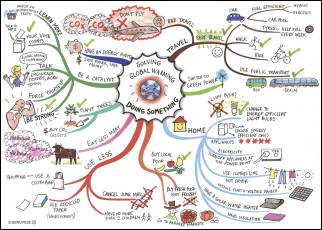
How to stop procrastinating
But if you can just get it done, your brain will breathe a sigh of relief. You will feel lighter. Chances are you will have turbocharged energy levels too.”
Read the entire article at http://learningfundamentals.com.au/blog/how-to-motivate-yourself-at-any-time/
Is your work environment keeping you from working?
Posted: January 20, 2014 Filed under: Time Management | Tags: Attitude, Business, time management Leave a commentHere is a short excerpt from an article by Harold Taylor
Change your environment in some way to offset your natural inclination to avoid doing things you don’t like.

Is your work environment keeping you from working?
You could turn off your cellphone,disengage voicemail, turn off email alerts and close your office door at specific times while you work on your priority projects. Remove all clutter and other potential distractions from your immediate work area – including any in-baskets. Don’t have family photos or memorabilia in your line of sight. Face a blank wall, not a window or open doorway. Work on projects for 60 or 90 minutes at a time – maximum. If you find that’s too long to postpone urges to interrupt yourself, shorten the work sessions. You can always increase them gradually later. Between sessions you can check email, return phone calls and grab a coffee. Work in short sprints rather than attempt marathons. Research shows that it takes a lot of energy to practice willpower.
Do what you can to develop a work environment that makes it easier to resist the temptation of interrupting yourself or others, checking email constantly, grabbing for your smartphone whenever there’s a call or being distracted by other things.
To subscribe to his monthly newsletter on Time Management go to http://www.taylorintime.com
The Minimalists – who?
Posted: January 14, 2014 Filed under: Downsizing, Interview | Tags: Attitude, donations Leave a commentWhat if everything you ever wanted isn’t what you actually want?
In 2010, Joshua Fields Millburn & Ryan Nicodemus both abandoned the majority of their material possessions and created TheMinimalists.com. In 2011, they walked away from successful six-figure careers to live more intentionally. Then, in 2012, they moved to Montana and started writing a book. This book, Everything That Remains is available today. Feel free to get your copy signed during the 100-city tour, but remember to minimize it once you’re finished—pass it on, donate it, or sell it.

Everything That remains
In most cities tickets are free. They are in Ontario, during July and August.
Preparing for the Holidays
Posted: December 13, 2013 Filed under: Special Days | Tags: Attitude, Christmas, Holidays season Leave a commentHere are some tips for holiday planning to make a H A P P Y month ahead.
Holiday Decorating
You maybe feeling overwhelmed or disorganized by the quantity of items on display in your house. Try putting the non-seasonal items away to reduce the number of items on display.

Decorate with flowers
Think about decorating with fewer items but larger size items. This means there are fewer items to pack and unpack which will reduces the amount of time you need to prepare your home.
Take advantage of using linens to cover tables or end table and pillows to decorate couches. They may be less bulky to store and cover a larger area making your home seem completely decorated while taking less time to get the job done.
Use items that self destruct so you don’t need to pack them away, flowers, paper towels, tissue boxes all give your house a festival spirit but don’t need to be packed away and stored.
When you go through your decorations part with the ones you know longer need early in the month so thrift store have an opportunity to sell them and so they don’t need to store them until next year. Some stores don’t take holiday décor in January and then you will be stuck storing them for another year.
Accept Help
Acknowledge that you are feeling overwhelmed and stressed and when people offer to do things say yes. We all love to help people so let people feel good about themselves by allowing them to help you.
If people volunteer to bring food to a party accept gratefully. Allow people to help clean up dishes on their way out the door. In fact be ready for it. Have a place to put cutlery to soak. Have out a container for compost. Put glasses or coffee mugs directly into the dishwasher.
Planning is important
Divide Your To Do List into Categories
Use a to do list. Divide your to do list into to pick up, to e-mail, to call, to buy then you can plan your day and route to get things done and not be driving back and forth all over town. The trick here is to actually look at the list and use it not just make it.
Keep your plans from year to year, record your menu, grocery list quantities, time lines. Each year you can reuse, revise and update the plan
People and relationships are the reason for the season
Some people like to send cards in December. I keep my cards and addresses and stamps all together. When I am going somewhere where I will be waiting I pick up the supplies and take them along and write my cards. I have done it at hockey rinks, doctor’s offices, bus stations and on car trips. I usually leave replies to someone who has sent me a longer letter until January.
Use your spare moments to write cards
If you want to automate the card sending operation there is a company called send out cards.
Gift giving maybe an area where you are developing a system. Have you thought about Clutter free gift giving?
Consider the idea of a gift that self destructs. See my post on Clutter Free Gift Giving

Yes You Can
Yes you can
Being organized is more about an attitude then how something looks. It is not about having the perfect home, party or gift it is doing the best you can with the time and resources that you have. The only way to get better at organizing is to practice. It is a skill that can be learned and with practice it becomes easier and easier.
How to Avoid being a Procrastinator
Posted: May 21, 2013 Filed under: Time Management | Tags: Attitude, mindset, procrastinating, productivity, time management Leave a commentWhy don’t I want to do it now?
Is it boring?
- Do it anyway and consider the consequence if you don’t do it.

How can you stop procrastinating?
Overwhelming?
- Break it into smaller parts and do one or several parts at a time
Do I only have small blocks of time available but want to do everything from start to finish?
- Change your mindset and make it a positive idea. Small blocks of time mean you only need to do a small amount of work
Am I tired?
- Be aware of your circadian rhythms. Each of us peaks at different hours of the day. Before and after lunch is usually a good time to catch up on mundane activities
Do I fear failing or that it won’t turn out perfectly?
- Fear on losing things,
- forgetting things
- not finishing things or
- doing the wrong thing can generate a lack of action which can affect your self-esteem.
How to be Successful
If you are easily distracted keep only one project on your desk at a time.
Give yourself a time span to complete a project and don’t let your mind wonder from the task
Try setting small goals and giving your self rewards
Think of how you will feel when the task is completed, pride, relief, satisfaction
There are more great ideas in a book titled “Don’t Agonize Organize Your Office”By Diane A Hatcher
Working with a Professional Organizer
Posted: February 27, 2013 Filed under: Business of Organizing, Organizing Tips | Tags: Attitude, decluttering, donations, Hoarding, productivity Leave a comment5 Things Professional Organizers are Looking for When We Work with You

Getting your mind into the right S.P.A.C.E.
- If you are worried about working with a Professional Organizer this article can reassure you that we only want to help you get your Mind in the right place to get your things in the right space.
http://diyorganization.com/5-things-professional-organizers-are-loo…

Want help, need help, we will help
Time Management for Children
Posted: February 1, 2013 Filed under: Organizing Children | Tags: Attitude, office organizing, organizing with children, productivity, time management Leave a comment- I like to develop a weekly agenda page for each child in the family. They have their own page posted on the refrigerator or bulletin board. At the beginning of each week, I record all their activities, music lessons, group activities, sports, etc. I also record their special activities at school so they remember to bring library looks, physical education clothing, and musical instruments. It also includes any chores that they have to do around the house. If you prepare it on the computer, many things don’t change from week to week and you can add the new things for that week by hand or before you print it. The children will add to the page tests and projects that have been assigned at school. Before they can play or watch TV they have to complete everything on their list. If you start this habit for them when they are young, it teaches them how to organize their time. You will be helping to instill in them a habit that will last them a life time.
| Monday | Tuesday | Wednesday | Thursday | Friday |
| Library books | Physical education | Class trip | violin | |
| Practice piano | Girl Guides | Collect garbage | Skating | Birthday Party at Susie’s |
| Set table | Empty dishwasher |
 Mind over Clutter